

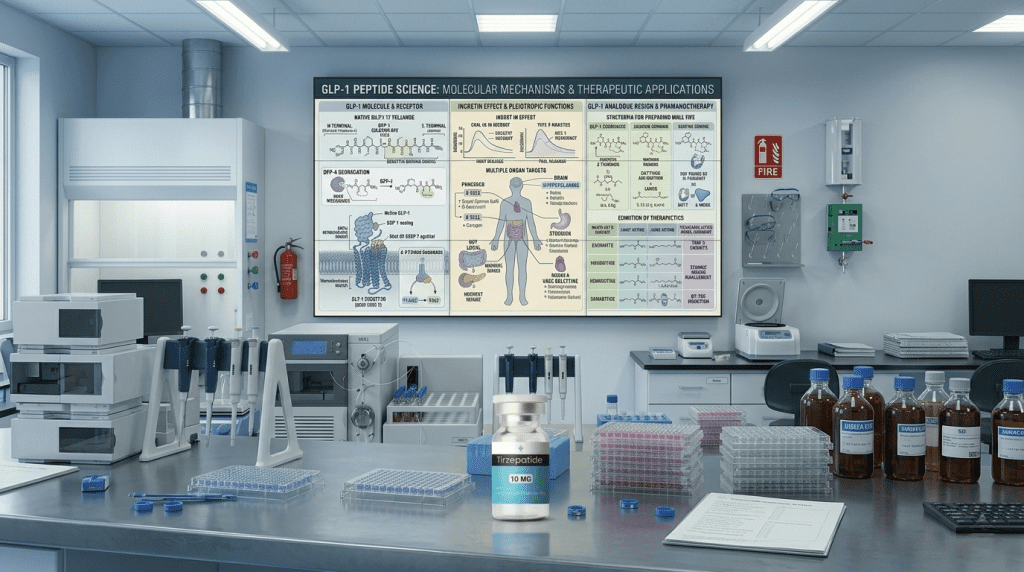

The Evolution of GLP-1 Peptide Science
The science of GLP-1 (glucagon-like peptide-1) receptor agonists has emerged as one of the most transformative breakthroughs in contemporary medicine, revolutionizing the therapeutic landscape for chronic conditions such as type 2 diabetes and obesity. Originally identified as an incretin hormone with blood glucose-lowering capabilities, GLP-1 has since revealed a multifaceted range of metabolic effects, including potent appetite suppression and weight loss. This article explores the core scientific mechanisms, the innovative advancements in peptide engineering, and the profound clinical implications of this rapidly evolving field, positioning GLP-1 therapies as a pivotal development in global public health.

Deciphering the Incretin Effect and Molecular Mechanisms
To grasp the science behind GLP-1, one must first understand its foundational concept: the incretin effect. Incretins are gut-derived hormones, such as GLP-1 and glucose-dependent insulinotropic polypeptide (GIP), that are secreted following nutrient ingestion. GLP-1 receptor agonists mimic the biological activity of native GLP-1 but are engineered for significantly enhanced metabolic stability and a prolonged duration of action, thereby effectively correcting the relative incretin deficiency observed in individuals with type 2 diabetes.
Upon activation of its specific G-protein coupled receptor (GLP-1R), GLP-1 triggers a cascade of intracellular signaling pathways, most notably involving adenylate cyclase and the subsequent elevation of cyclic adenosine monophosphate (cAMP). This signaling is critical for the hormone’s diverse physiological effects. In the pancreas, GLP-1 stimulates glucose-dependent insulin secretion and suppresses glucagon release, precisely regulating glycemia with a low inherent risk of hypoglycemia. Crucially, GLP-1R are also densely expressed within the central nervous system, particularly in the hypothalamus. In these regions, GLP-1 receptor activation modulates key satiety circuits, promoting feelings of fullness and profoundly reducing appetite and caloric intake.
Pioneering Research and Peptide Engineering
A primary challenge in developing GLP-1-based therapeutics has been overcoming the extremely rapid degradation of the native hormone, which is swiftly inactivated by the enzyme dipeptidyl peptidase-4 (DPP-4) within minutes. Consequently, intensive scientific research and innovative peptide engineering have focused on developing strategies to enhance the metabolic stability of these agonists.
This engineering includes precise modifications to the amino acid sequence, such as alanine-to-glycine substitutions at key positions, which impart resistance to DPP-4. Furthermore, advancements in chemical conjugation, such as the addition of fatty acid side chains or fusion proteins, have enabled binding to serum albumin, substantially extending the half-life from minutes to once-daily or even once-weekly dosing regimens. More recent research frontiers include the development of dual and triple agonists, combining GLP-1 with other potent metabolic regulators like GIP or glucagon, aiming to synergize their effects for even greater efficacy.
Clinical Application and Beyond Metabolism
The clinical impact of GLP-1 receptor agonists has been unprecedented. Pivotal, large-scale randomized clinical trials have established their superior efficacy in glycemic control and their remarkable success in inducing substantial, sustained weight loss, fundamentally altering treatment paradigms. The ability of these peptides to address both diabetes and its associated comorbidities makes them an invaluable tool in managing complex metabolic syndrome.
Beyond glycemic control and weight reduction, GLP-1 science continues to reveal astonishing potential. Accumulating evidence from cardiovascular and renal outcomes trials indicates significant cardiorenal protective benefits, leading to reduced rates of major adverse cardiovascular events (MACE) and deceleration of chronic kidney disease progression. Emerging research is also exploring the fascinating neuroprotective, anti-inflammatory, and hepatoprotective properties of GLP-1 receptor agonists, hinting at potential applications in conditions ranging from neurodegenerative diseases like Parkinson’s to non-alcoholic steatohepatitis (NASH).
The Promising Future of GLP-1 Peptide Science
In conclusion, GLP-1 peptide science has traversed a remarkable journey from its initial discovery as a basic gut hormone to a multi-billion-dollar therapeutic class with global significance. The rigorous application of molecular biology, innovative biochemistry, and extensive clinical research has unlocked a versatile therapeutic tool that effectively addresses the rising crises of type 2 diabetes and obesity. As understanding of the incretin system and metabolic regulation continues to deepen, and as next-generation therapies continue to evolve, the future of GLP-1 research promises even more potent, precise, and potentially disease-modifying strategies, reinforcing its position at the very forefront of medical innovation for years to come.