


Peptide therapy for pain uses short amino acid chains to target specific biological pathways reducing neuroinflammation, accelerating tissue repair, and modulating how the nervous system processes pain signals. Key peptides like BPC-157 and TB-500 are widely used for musculoskeletal injuries and tendon healing, while Semax addresses centralized pain conditions like fibromyalgia by elevating BDNF and calming the spinal cord’s amplified pain response. Unlike opioids or broad anti inflammatory, peptides work at the receptor level with minimal systemic side effects and no addiction risk making them appealing for chronic pain, neuropathy, arthritis, and post surgical recovery. They can be administered via injection, nasal spray, oral capsule, or topically, depending on the target tissue. The main caveats are that many peptides still lack large-scale human trials, require a compounding pharmacy, and must be used under physician supervision.
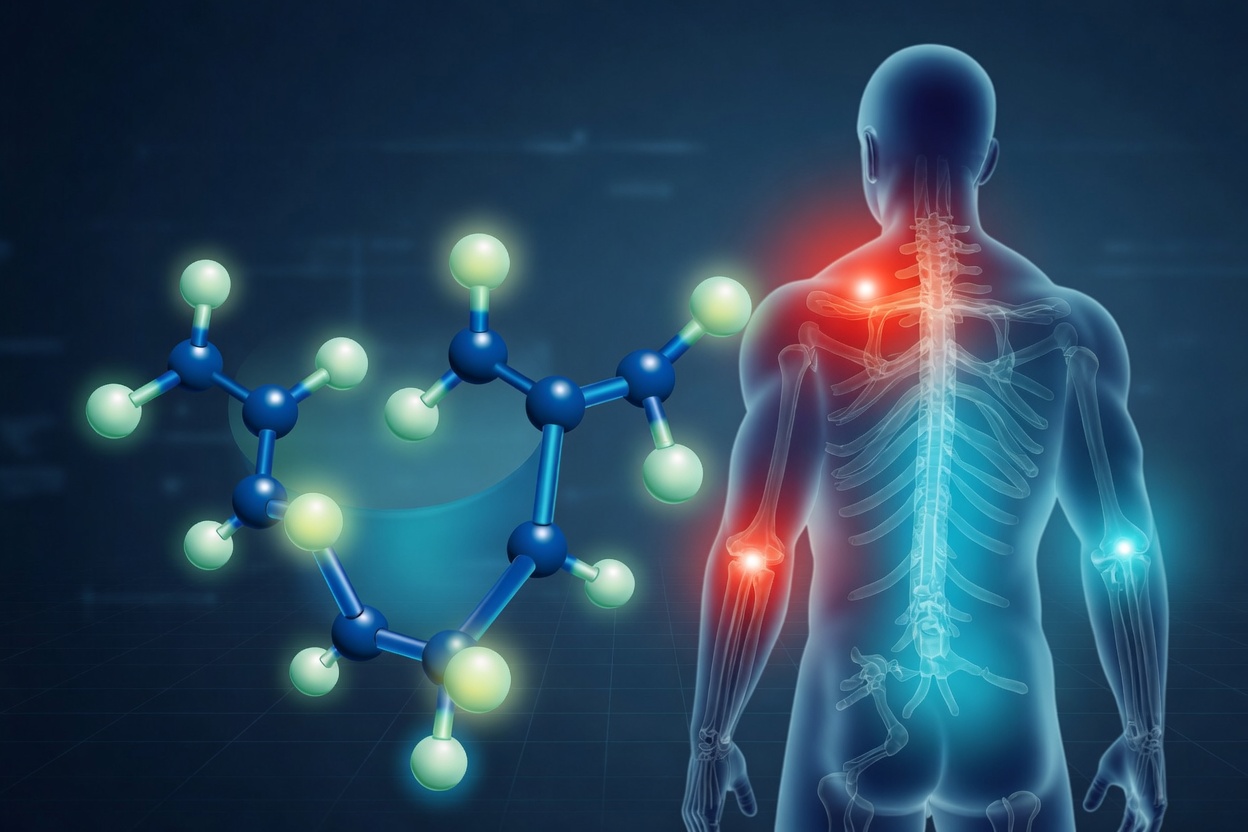
Receptor Specificity:Peptides bind to precise receptor sites, triggering only the intended cascade without widespread off-target effects.
Neuroinflammation Control:
Many peptides downregulate pro-inflammatory cytokines (IL-1β, TNF-α) directly at the nerve-tissue interface.
Tissue Regeneration:
Growth factor peptides stimulate collagen synthesis, angiogenesis, and cellular repair in injured joints and tendons.
Central Sensitization:
Select peptides modulate spinal cord signaling to reduce the amplified pain response characteristic of chronic conditions.
- Pain Conditions Addressed *
 Musculoskeletal Pain
- Osteoarthritis and joint degeneration
- Tendinopathy and tendon tears
- Ligament sprains and instability
- Post-surgical recovery pain
- Muscle strains and myofascial pain
- Spinal disc degeneration
 Neuropathic Pain
- Peripheral neuropathy (diabetic, idiopathic)
- Post-herpetic neuralgia
- Complex regional pain syndrome (CRPS)
- Spinal cord injury pain
- Chemotherapy-induced nerve pain
- Trigeminal neuralgia
 Inflammatory Pain
- Rheumatoid and psoriatic arthritis
- Inflammatory bowel disease joint pain
- Ankylosing spondylitis
- Gout and pseudogout flares
- Autoimmune-mediated pain syndromes
 Centralized / Chronic Pain
- Fibromyalgia
- Chronic widespread pain syndrome
- Chronic low back pain
- Pain with anxiety and depression overlay
//////////////////////////////
Medical Disclaimer: This document is for educational and informational purposes only and does not constitute medical advice. Peptide therapies are investigational in many contexts and should only be initiated under the supervision of a licensed healthcare provider. Individual results vary. Always consult a qualified physician before beginning any peptide protocol, particularly if you have existing health conditions or take prescription medications.