


Disclosure: We earn a commission on purchases made through links in this article. Our recommendations reflect published research and product formulation, not commission rates.
Appetite returns within weeks of the final dose, and published follow-up data shows most people regain a substantial portion of the weight lost. The STEP 1 extension found participants regained roughly two-thirds of their lost weight within a year of discontinuation. That outcome is not inevitable, and what separates the people who hold their results is what was built during therapy rather than anything done after it. This covers the discontinuation timeline itself and the decisions that sit inside it.
The Discontinuation Timeline
Semaglutide clears the body gradually, so the return of appetite is a slope rather than a cliff. The medication has a half-life of about a week, which means several weeks pass before it is fully out of the system.
What the sequence looks like:
- Weeks one to two. Little change. Medication levels remain high enough to suppress appetite.
- Weeks three to five. Appetite returns noticeably. Portions that felt sufficient now do not.
- Weeks six to twelve. Full appetite restored, including the food preoccupation that had quieted. Weight begins moving for most people here.
- Months three to twelve. The trajectory established in the previous weeks continues in whichever direction it set.
Knowing the slope matters because the window where habits still feel manageable comes before appetite fully returns.
Why Regain Happens
Regain reflects two forces arriving together: appetite returning to its previous level while energy expenditure sits lower than it was before the weight loss.
The medication was doing work that nothing replaced. Portion control came from the drug rather than from a practice. Food preoccupation stayed quiet without anyone building a strategy for it.
Expenditure is the second half. A smaller body burns less, and that gap persists. The mechanics sit in our guide to metabolism support during weight loss.
Deciding When to Stop
Stopping at a point of stability produces a better outcome than stopping at the end of a supply. Three conditions make the timing reasonable.
Weight has held steady at the current level for several weeks rather than still falling. Protein intake and training have been consistent for months rather than recently started. A plan exists for the first ninety days, written down rather than intended.
Cost, side effects, and supply problems all force the decision regardless of readiness. Those cases call for a conversation with the prescriber about tapering rather than stopping outright.
Tapering Versus Stopping
Prescribers sometimes step the dose down rather than ending it, which extends the window where appetite support remains partially in place. Whether tapering suits a given person is a clinical decision rather than a general rule.
Raise it before the final dose rather than afterward. Some people move to a lower maintenance dose indefinitely instead of stopping, and that option deserves discussion before it is foreclosed.
The First Ninety Days Off

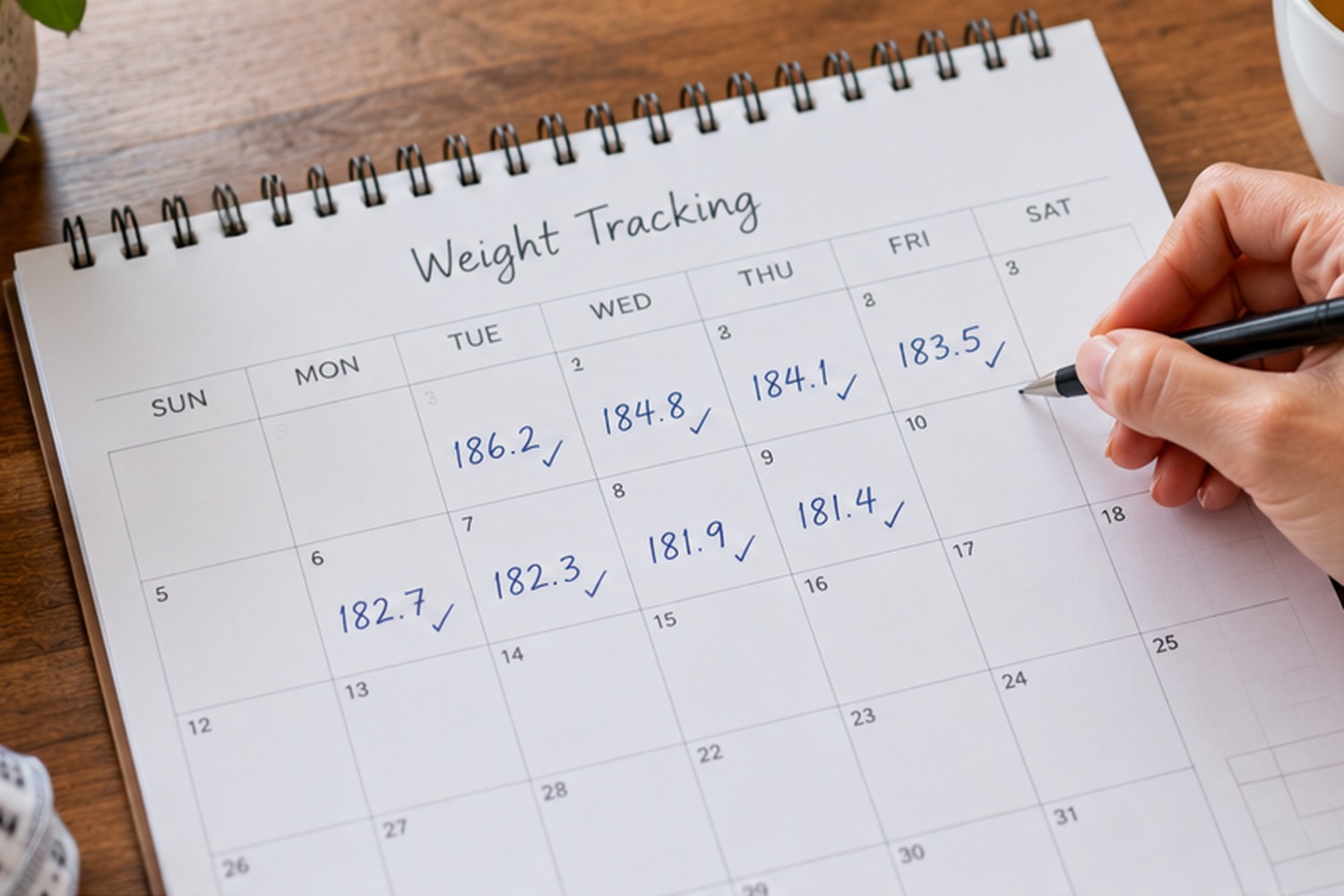
Measurement replaces the appetite signal that the medication was providing. Portion estimates drift upward once hunger returns, and the drift is invisible without something to check against.
Four practices carry the period:
- Weigh weekly, same day and conditions, and treat a consistent upward trend across three weeks as a signal to act.
- Keep protein at the level set during therapy. Targets sit in our guide to preserving lean mass during dieting.
- Hold training frequency. Lean tissue protects the expenditure that makes maintenance possible.
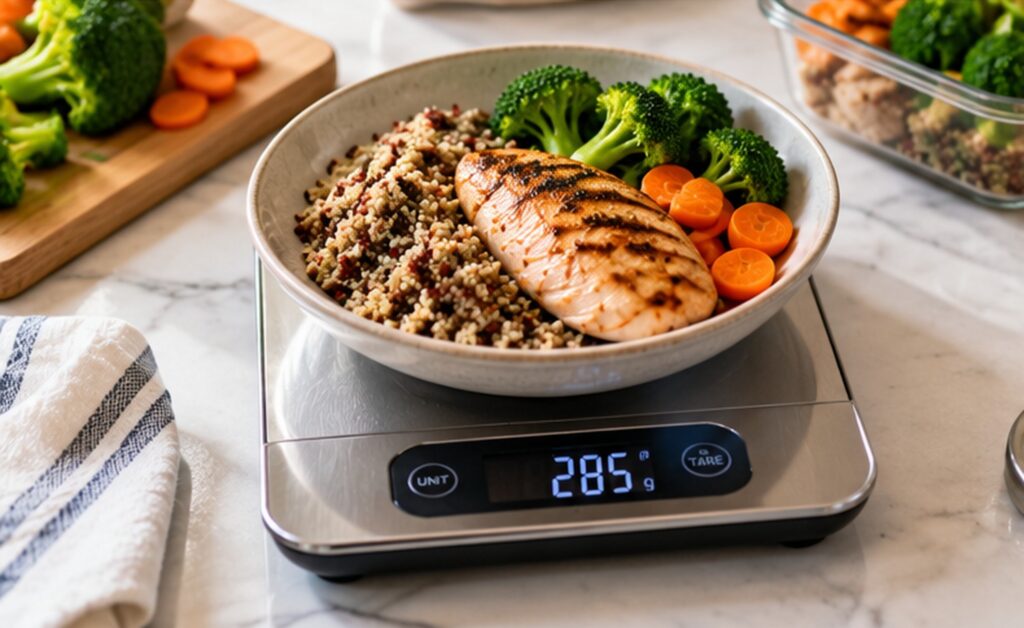
- Return to measuring portions temporarily. Estimation accuracy decays, and a few weeks of measuring resets it.
RightWell GLP-1 Boost was formulated with this phase in mind. The stimulant-free formula supports appetite control, metabolic balance, and blood sugar stability, and combines Eriomin lemon bioflavonoid complex, Morosil red orange extract, and CaloriBurn GP grains of paradise. The product is non-GMO, gluten-free, and made in the USA, priced from $29 to $64 per bottle with a 60-day money-back guarantee.
View GLP-1 Boost pricing and options
Frequently Asked Questions
Is weight regain after stopping guaranteed?
No. Published averages reflect populations where most participants had no structured maintenance plan. Individual outcomes vary with what was established during therapy.
Can you restart GLP-1 medication after stopping?
Restarting is common and clinically straightforward. Prescribers typically re-titrate from a lower dose rather than resuming at the previous level.
Do GLP-1 medications need to be taken indefinitely?
Some prescribers treat them as long-term therapy for a chronic condition, similar to blood pressure medication. That decision belongs with the prescriber.
Does food noise come back after stopping?
Yes, for most people, around the same point appetite returns. Anticipating it makes it considerably easier to manage than being surprised by it.
These statements have not been evaluated by the Food and Drug Administration. This product is not intended to diagnose, treat, cure, or prevent any disease. Never stop or change a prescription medication without consulting the prescribing clinician.