



Disclosure: We earn a commission on purchases made through links in this article. Our recommendations reflect published research and product formulation, not commission rates.
Starting semaglutide safely comes down to three decisions made before the first injection: a slow titration schedule, a protein target, and a resistance training commitment. Dose escalation determines how tolerable the first three months feel. Protein and training determine how much of the weight lost comes from fat rather than muscle. People who plan all three ahead of the first dose hold their results better than people who address them after problems appear.
What Happens During Semaglutide Titration
Semaglutide titration starts at a low dose and increases in steps, typically every four weeks, to allow the body to adapt to each level. Standard weight-management protocols begin at 0.25 mg weekly and step up toward a maintenance dose over several months.
Four phases define the experience:
- Weeks 1 to 4. The starting dose produces minimal appetite change for most people. Digestive symptoms appear mildly if at all.
- Weeks 5 to 12. Appetite suppression becomes noticeable. Digestive symptoms peak around each dose increase, then settle.
- Weeks 13 to 24. Weight loss becomes steady. Muscle loss risk rises here without adequate protein and training.
- Month 6 onward. Maintenance dose reached. Habits established during escalation determine long-term results.
Escalation speed is adjustable. Prescribers extend a phase or hold a dose when symptoms run high, which is a normal part of the process rather than a setback.
Four Preparations Before Your First Dose
Preparation before the first semaglutide injection reduces both side effect severity and muscle loss across the full course.
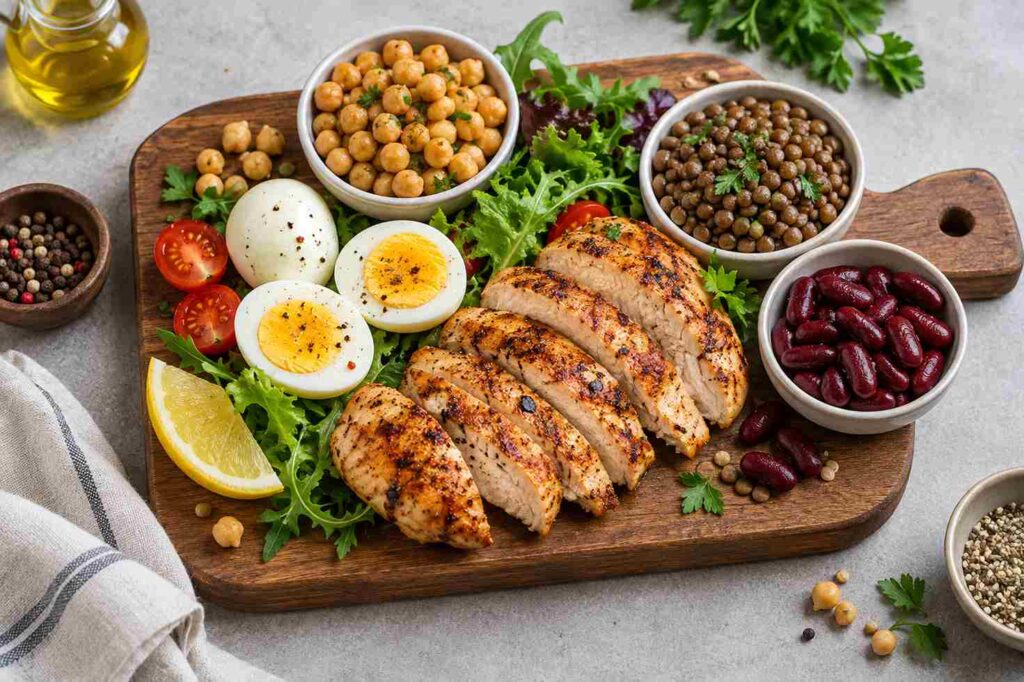
- Set a protein target. Aim for 1.2 to 1.6 grams per kilogram of body weight daily. Write down what that looks like across three meals before appetite drops.
- Establish a hydration baseline. Thirst signals blunt alongside hunger. A fixed daily target replaces the cue you are about to lose.
- Start resistance training now. Two sessions weekly, started before the first dose, protects lean mass from the first week of the deficit.
- Record your starting measurements. Weight, waist circumference, and how your clothes fit. Scale weight alone hides whether losses come from fat or muscle.
Why Muscle Protection Matters on Semaglutide

Rapid weight loss draws from both fat and lean muscle, and muscle loss reduces the metabolic rate that holds results in place. Studies of GLP-1 weight loss report a meaningful share of total loss coming from lean mass without a protein and training intervention.
Consequences extend beyond appearance. Lower muscle mass means lower daily energy expenditure, which makes maintenance harder after therapy ends. Strength and physical function decline alongside it, particularly in adults over 50.
Two levers address this. Protein intake supplies the raw material for muscle retention. Resistance training supplies the signal telling the body to keep it. Neither works alone.
Managing the First Twelve Weeks
Digestive symptoms cluster around each dose increase and ease within one to two weeks at the new level. Nausea, constipation, and early fullness are the common reports.
Portion size drives most of the difference. Smaller meals eaten slowly, with reduced fat content and fluid taken between meals rather than during, resolve the majority of discomfort. Our guide to improving digestion on semaglutide covers the full symptom playbook.
Contact your prescriber about severe abdominal pain, vomiting that prevents fluid intake, or symptoms that worsen rather than ease. Dose adjustment resolves most persistent cases.
Planning for Life After Semaglutide
Appetite signals return once medication signaling decreases, which makes the transition period the point where results are most often lost. Hunger returns. Cravings return. Maintaining a deficit becomes harder without hormonal suppression doing part of the work.
Structure built during therapy carries into that phase. Protein habits, training consistency, and meal routines established in months one through six are what remain when the medication stops.
RightWell GLP-1 Boost was formulated for that continuity. The stimulant-free formula supports appetite control, metabolic balance, and blood sugar stability across every stage, whether preparing to begin therapy, currently on medication, or transitioning off. Eriomin lemon bioflavonoid complex, evaluated in a 12-week human study for GLP-1 activity and glucose metabolism, Morosil red orange extract, studied for body composition, and CaloriBurn GP grains of paradise, studied for brown adipose tissue activation, make up the active formula. The product is non-GMO, gluten-free, and made in the USA, priced from $29 to $64 per bottle with a 60-day money-back guarantee.
View GLP-1 Boost pricing and options
Frequently Asked Questions
How long does it take to reach a maintenance dose of semaglutide?
Standard protocols reach maintenance across four to five months, with dose increases roughly every four weeks. Prescribers extend that timeline when symptoms warrant.
How much protein do you need on semaglutide?
Between 1.2 and 1.6 grams per kilogram of body weight daily, distributed across meals. Protein-dense foods matter more than usual when total food volume drops.
Can you exercise while starting semaglutide?
Yes, and resistance training specifically protects the lean mass that determines long-term results. Adjust intensity during weeks where fatigue or nausea runs high.
What happens to your appetite after stopping semaglutide?
Appetite signals return as medication signaling decreases. Nutrition and training habits built during therapy determine how well results hold through that transition.
These statements have not been evaluated by the Food and Drug Administration. This product is not intended to diagnose, treat, cure, or prevent any disease. Begin any prescription medication under the supervision of a qualified healthcare provider.