


Disclosure: We earn a commission on purchases made through links in this article. Our recommendations reflect published research and product formulation, not commission rates.
Digestive discomfort on semaglutide traces to one mechanism: the medication slows how quickly food leaves the stomach. Nausea, bloating, reflux, and constipation all follow from that single change. The symptoms respond well to meal size, food choice, hydration, and movement. Most people find symptoms ease considerably once intake habits adjust to the slower pace of digestion.
Why Semaglutide Causes Digestive Symptoms
Semaglutide delays gastric emptying, which extends the time food remains in the stomach. Delayed emptying is part of how the medication produces fullness and reduces appetite. The same mechanism produces the side effects.
Four symptoms dominate reported experience:
- Nausea. Food sitting longer in the stomach triggers the sensation, particularly after larger or richer meals.
- Constipation. Slower transit through the digestive tract reduces stool frequency, compounded by lower food and fluid volume.
- Reflux. Stomach contents remaining longer increases pressure against the lower esophageal sphincter.
- Bloating and early fullness. Normal portions now exceed what the stomach comfortably holds.
Symptoms concentrate during dose escalation, generally across the first 8 to 12 weeks, then ease as the body adapts.
Eight Habits That Ease Digestion on Semaglutide

Comfortable digestion on semaglutide comes from smaller portions, slower eating, lower fat intake, and consistent hydration. Each habit works with the slowed emptying rather than against it.
- Halve your portions. Eat roughly half what you ate before, then wait 20 minutes before deciding whether you need more.
- Stop at the first sign of fullness. The fullness signal arrives earlier now. Eating past it is the most common cause of nausea.
- Slow down. Twenty minutes per meal gives the stomach time to signal before you overshoot.
- Reduce fried and high-fat foods. Fat slows gastric emptying further, stacking on top of the medication’s effect.
- Drink between meals, not during. Fluid alongside food adds volume to an already slow-emptying stomach.
- Increase fiber gradually. Sudden fiber increases worsen bloating. Add one serving at a time across a week.
- Walk after eating. Ten to fifteen minutes supports motility and eases both bloating and reflux.
- Limit alcohol. Alcohol irritates the stomach lining and compounds nausea during escalation.
Ginger and peppermint tea help some people manage mild nausea. Neither replaces the portion and fat adjustments above.
Managing Constipation Specifically
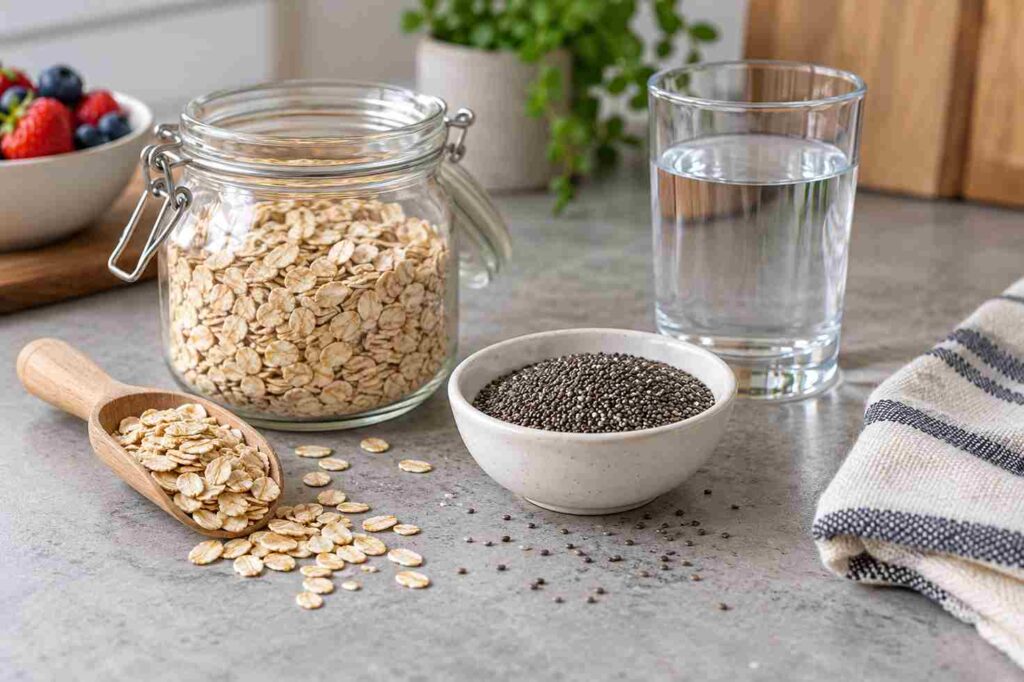
Constipation on semaglutide responds to fluid, fiber, magnesium, and movement, in that order of impact. Reduced food volume means reduced fiber and reduced water arriving in the colon.
Set a fixed daily fluid target rather than drinking to thirst, since thirst signals blunt alongside hunger. Add soluble fiber from oats, chia, beans, or psyllium, increased slowly. Magnesium citrate supports bowel regularity for many people. Daily walking supports transit more reliably than any single food change.
When to Contact Your Prescriber
Severe or persistent abdominal pain, vomiting that prevents fluid intake, and pain radiating to the back require medical attention rather than self-management. Pancreatitis and gallbladder complications are uncommon but documented with GLP-1 therapy.
Contact your prescriber when symptoms persist beyond the adjustment period, worsen instead of easing, or interfere with keeping food and fluid down. Dose adjustment or a slower titration schedule resolves many cases. Our guide to starting semaglutide safely covers the titration schedule in detail.
Where Stimulant-Free Support Fits
Stimulant-based weight products add digestive irritation and dehydration to a system already under strain during semaglutide escalation. Caffeine-driven thermogenics and fat burners sit in that category.
RightWell GLP-1 Boost is stimulant-free by design, which matters during a phase when the stomach is already sensitive. The formula supports appetite control, metabolic balance, and blood sugar stability across every stage of a GLP-1 journey, whether preparing to start, currently on therapy, or transitioning off. Eriomin lemon bioflavonoid complex, Morosil red orange extract, and CaloriBurn GP grains of paradise make up the active formula, each with published human research behind its inclusion. The product is non-GMO, gluten-free, and made in the USA, priced from $29 to $64 per bottle with a 60-day money-back guarantee.
View GLP-1 Boost pricing and options
Frequently Asked Questions
How long do digestive side effects last on semaglutide?
Symptoms concentrate in the first 8 to 12 weeks during dose escalation and ease as the body adapts. Each dose increase often brings a short return of symptoms.
What foods should you avoid on semaglutide?
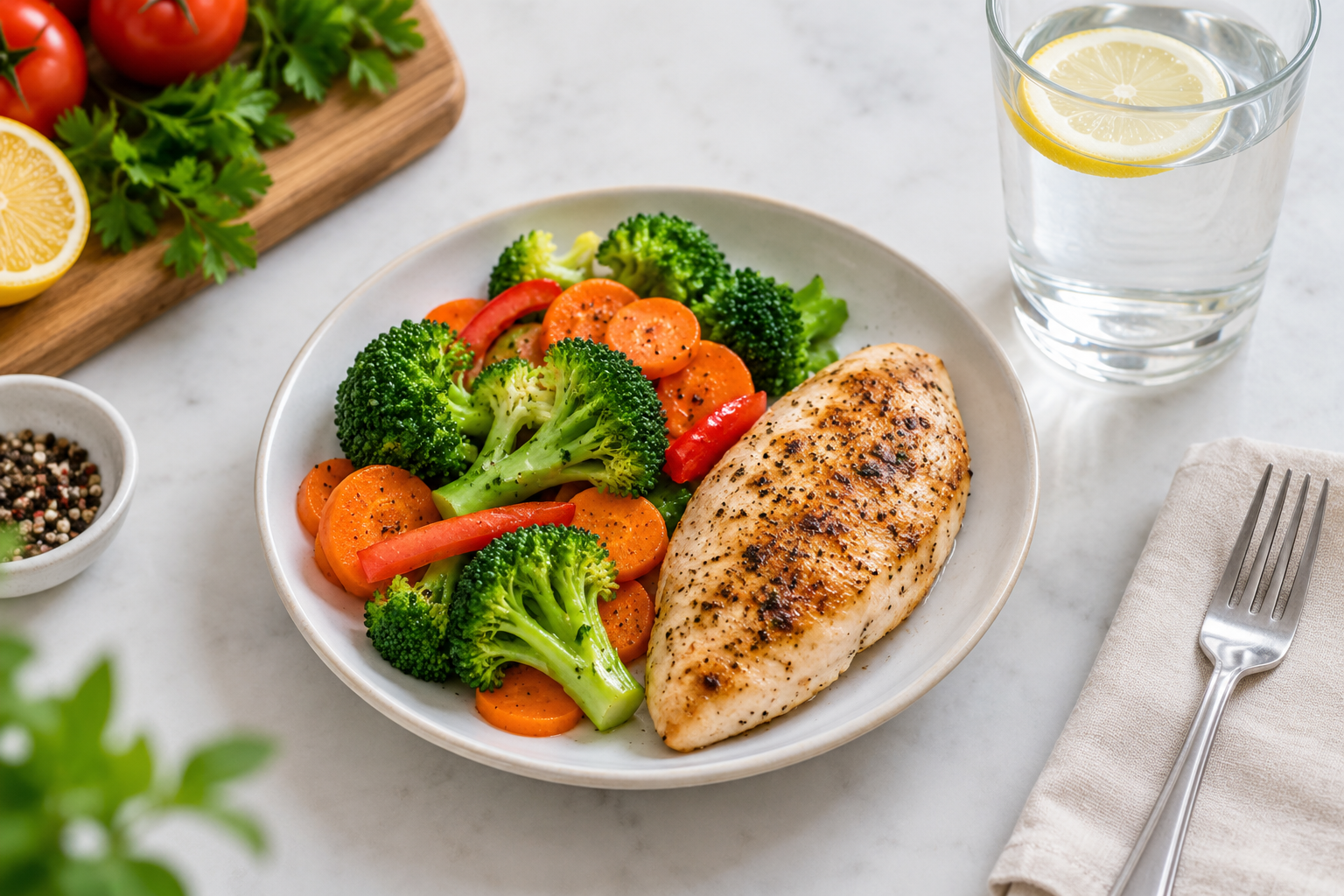
Fried foods, heavy cream sauces, large portions, carbonated drinks, and alcohol account for most reported discomfort. Lean protein, cooked vegetables, and simple preparations sit better.
Does drinking more water help constipation on semaglutide?
Fluid intake is the first lever, though fiber and movement carry equal weight. All three together work better than any one alone.
Can you take a supplement while managing digestive side effects?
Stimulant-free formulas avoid adding irritation. Discuss any supplement with your prescriber before adding it to a prescription regimen.
These statements have not been evaluated by the Food and Drug Administration. This product is not intended to diagnose, treat, cure, or prevent any disease. Contact your healthcare provider about any symptom experienced during prescription treatment.